
About Dr. Lyss-Lerman
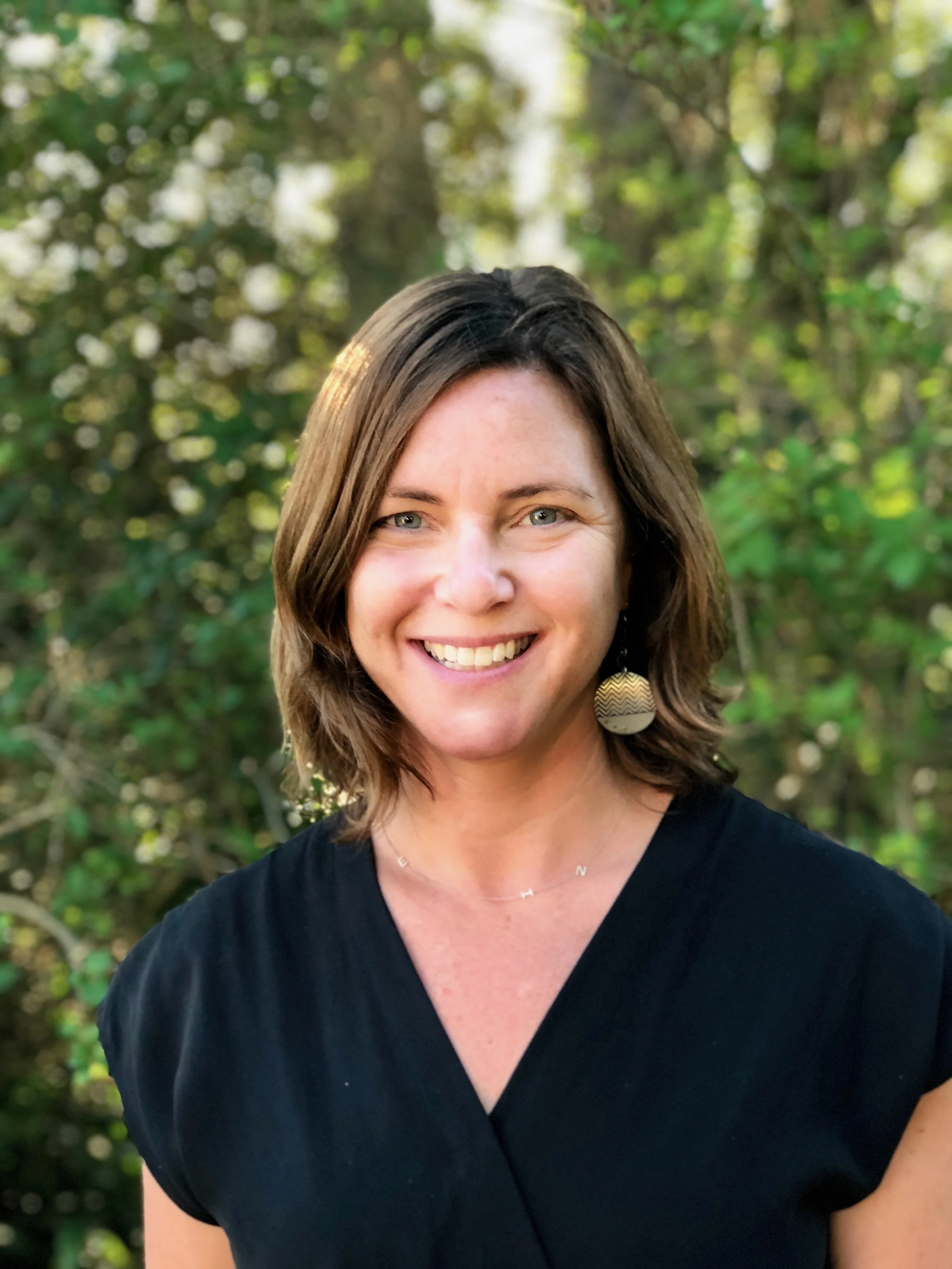
I am a board-certified adult psychiatrist and psychotherapist practicing in St. Louis and California. My professional interests bring together psychiatry, psychotherapy, women's mental health, education, and an interest in understanding each person within the context of their individual experiences.
Before attending medical school, I was a high school math and science teacher. Teaching has remained an important part of my professional life. I taught medical students and residents throughout my medical and psychiatry training, and I continue to teach and mentor mental health professionals.
I earned my medical degree at the University of California, San Francisco (UCSF), where I also completed my internship and residency training in psychiatry. During my training at UCSF, I developed a particular interest in women's mental health. I worked with a committee to create the UCSF Women's Mental Health Focus Track and became its first graduate. I have continued my education in women's mental health throughout my career, including many hours of continuing medical education specifically focused on perimenopause.
I serve on the Board of the San Francisco Psychotherapy Research Group and am a Volunteer Clinical Professor in the Department of Psychiatry at UCSF. I am licensed to practice medicine in Missouri and California, and I treat adults age 18 and older.
My Approach to Psychiatry and Psychotherapy
My practice combines psychotherapy with medication management when indicated. I believe it is important to understand a person rather than simply a collection of symptoms. Psychiatric symptoms occur within the context of an individual's history, relationships, physical health, current circumstances, and life experiences.
I also believe that the relationship between patient and psychiatrist is an important part of treatment. Sometimes it is possible to recognize during the first meeting that the relationship feels like a good fit. At other times, it may take several sessions. If we decide to work together, treatment is collaborative.
With your written consent, I can collaborate with other physicians, previous mental health professionals, and members of your personal support system when appropriate.
Control-Mastery Theory and Personalized Psychotherapy
My approach to psychotherapy is informed by Control-Mastery Theory, a framework for understanding how psychological problems develop and how patients work in psychotherapy to overcome them. Control-Mastery Theory recognizes that people are motivated, both consciously and unconsciously, to overcome their problems and pursue meaningful and adaptive life goals. Early life experiences can contribute to beliefs that make pursuing these goals feel unsafe or difficult.
In psychotherapy, understanding an individual patient's goals, experiences, beliefs, and unique needs can help the therapist tailor treatment to that particular person. Control-Mastery Theory does not prescribe a particular set of therapeutic techniques. Instead, it provides a framework for understanding what an individual patient may need from therapy and for adapting the therapeutic approach accordingly.
I teach Control-Mastery Theory through the Personalized Psychotherapy Institute — the educational and training arm of the San Francisco Psychotherapy Research Group (SFPRG). SFPRG is a nonprofit organization with a longstanding focus on psychotherapy research, education, and the development and study of Control-Mastery Theory.
Teaching, Consultation, and Supervision
Teaching and working with other clinicians have been longstanding parts of my professional life from my time as a high school teacher through today. In addition to teaching medical students and residents during my training, I teach psychiatrists, psychologists, and other psychotherapists about psychotherapy and Control-Mastery Theory.
I also provide one-time consultation and ongoing supervision to psychiatrists and psychotherapists seeking to deepen their understanding of their clinical work and individual patients.
Writing
My professional interests also include the experiences of psychiatrists and psychotherapists themselves. In 2017, I published an article entitled “Grief Process Following the Sudden Death of a Patient” in the American Journal of Psychiatry.